
Dogs spend a large part of their lives sleeping, making the right bed one of the most important purchases a pet owner can make. A supportive bed does more than provide a cozy place to rest – it helps protect joints, supports healthy sleep, and improves overall comfort. Whether your dog is a playful puppy, an active adult, or a senior companion, the right orthopedic bed can make a noticeable difference in daily life.
Many pet owners assume that all dog beds offer similar support, but that’s rarely true. Some flatten within weeks, while others retain their shape for years. The difference often comes down to the quality of the foam, the construction, and the materials used.
If you’re searching for the Best Orthopedic Dog Beds, this guide will help you understand what truly matters before buying. You’ll learn how orthopedic beds work, who benefits the most, what features are worth paying for, and how to choose the right model based on your dog’s size, age, and sleeping habits.
By the end of this guide, you’ll have the knowledge needed to invest in a bed that keeps your dog comfortable for years rather than months.
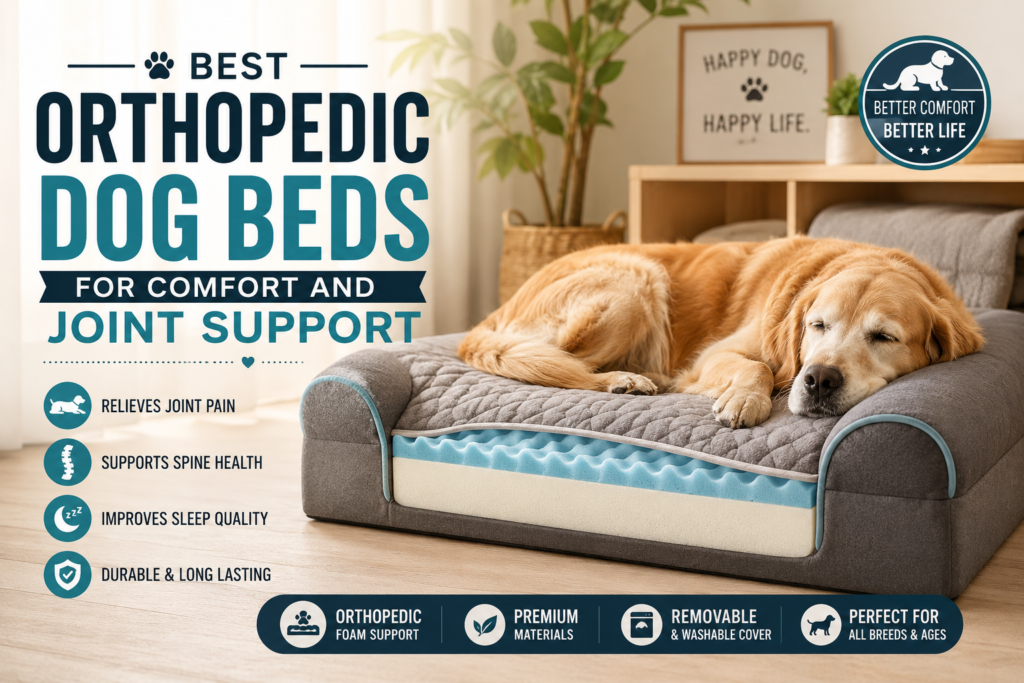
Why Choosing the Right Orthopedic Dog Bed Matters
Many dogs begin developing joint stiffness long before obvious signs appear. Larger breeds carry more body weight, active dogs place greater stress on their joints, and older dogs naturally experience wear over time. Even younger dogs can benefit from proper support during recovery from injuries or surgery.
A quality Orthopedic Pet Bed distributes body weight evenly instead of concentrating pressure on the hips, elbows, shoulders, and spine. Better weight distribution can improve comfort during sleep and make it easier for dogs to stand after resting.
Comfort also affects behavior. Dogs that sleep better often wake up with more energy, remain active longer, and appear more relaxed throughout the day.
Investing in a high-quality bed today may help reduce discomfort later, making it a practical purchase rather than just another pet accessory.
What Makes a Dog Bed Orthopedic?
Not every thick dog bed qualifies as orthopedic. True orthopedic support comes from the materials inside the bed rather than its appearance.
High-quality orthopedic beds typically contain dense foam that molds gently to the dog’s body while maintaining enough firmness to prevent sinking too deeply.
Common materials include:
- Memory foam
- High-density support foam
- Multi-layer foam construction
- Gel-infused cooling foam
- Latex foam (less common)
The goal is to support natural body alignment while relieving pressure points.
Memory Foam vs Regular Foam
One of the biggest differences between premium and budget beds is the type of foam used.
Memory Foam “Dog Bed“
A Memory Foam “Dog Bed” reacts to body heat and weight. Instead of pushing back immediately, it slowly conforms around the dog’s body before returning to its original shape.
Benefits include:
- Excellent pressure relief
- Better spinal alignment
- Reduced stress on joints
- Long-lasting support
- Comfortable for older dogs
Memory foam is especially useful for dogs that spend many hours sleeping each day.
Standard Polyfill Beds
Many inexpensive beds rely mainly on polyester stuffing.
Although soft at first, these beds often:
- Flatten quickly
- Lose support
- Create pressure points
- Require frequent replacement
They may work temporarily for small puppies but generally aren’t ideal for long-term comfort.
High-Density Support Foam
Some orthopedic beds combine memory foam with high-density support foam.
This layered construction provides:
- Better durability
- Improved airflow
- Greater stability
- Longer lifespan
These beds are often a smart investment for larger breeds.
Which Dogs Benefit Most from Orthopedic Beds?
Orthopedic beds aren’t just for elderly pets. Dogs of nearly every age can benefit from proper support.
Senior Dogs
As dogs age, cartilage naturally wears down, making movement more difficult.
A quality “Senior Dog Bed” can help provide:
- Easier movement after sleeping
- Better overnight comfort
- Improved rest
- Reduced pressure on aging joints
Owners often notice their senior dogs getting up more easily after switching to supportive bedding.
Large Breeds
Larger dogs place much more pressure on their joints than smaller breeds.
Breeds that commonly benefit include:
- Labrador Retrievers
- Golden Retrievers
- German Shepherds
- Great Danes
- Rottweilers
- Bernese Mountain Dogs
- Mastiffs
A supportive Dog Bed for Large Dogs helps distribute weight more evenly, reducing stress on hips and elbows.
Large breeds also compress low-quality foam faster, making durability especially important.
Dogs Recovering from Surgery
After surgery or injury, veterinarians often recommend limiting pressure on healing joints and muscles.
An orthopedic bed can provide:
- Better body support
- Less movement during sleep
- Increased comfort during recovery
- More stable resting positions
Always follow your veterinarian’s recovery recommendations alongside choosing appropriate bedding.
Highly Active Dogs
Dogs involved in agility training, hiking, hunting, or frequent outdoor adventures put significant strain on their muscles.
Quality rest helps muscles recover after activity.
Working breeds such as Border Collies, Australian Shepherds, Belgian Malinois, and sporting dogs often appreciate extra cushioning after long days of exercise.
Key Features to Look for in the Best Orthopedic Dog Beds
Not every orthopedic bed offers the same level of quality. These features separate premium options from disappointing purchases.
1. Foam Thickness
Thicker isn’t always better—but adequate thickness matters.
General guidelines:
| Dog Weight | Recommended Foam Thickness |
| Under 25 lbs | 2–3 inches |
| 25–60 lbs | 3–4 inches |
| 60–90 lbs | 4–5 inches |
| Over 90 lbs | 5–7 inches |
Heavy dogs need thicker foam to prevent “bottoming out.”
2. High-Density Foam
Density affects durability far more than softness.
Higher-density foam:
- Lasts longer
- Supports more weight
- Resists flattening
- Maintains comfort over time
Although it may cost more initially, it often provides better long-term value.
3. Removable, Washable Cover
Accidents, shedding, mud, and drool are part of life with dogs.
A Washable Dog Bed makes maintenance significantly easier.
Look for:
- Machine-washable covers
- Hidden zippers
- Durable stitching
- Water-resistant liners
- Fade-resistant fabrics
Regular washing helps maintain cleanliness and extends the bed’s lifespan.
4. Non-Slip Bottom
Excited dogs often jump onto beds with force.
Rubberized or textured bottoms help prevent sliding across hardwood or tile floors, reducing the chance of slips or injuries.
5. Waterproof Protection
Waterproof liners protect the foam from:
- Accidents
- Drool
- Wet paws
- Spilled water
Since memory foam is difficult to clean once soaked, a waterproof barrier can significantly increase the bed’s lifespan.
6. Raised Bolsters (Optional)
Some orthopedic beds include cushioned sides that provide additional support.
Bolsters are ideal for dogs that enjoy resting their:
- Head
- Neck
- Chin
However, dogs with severe arthritis may prefer flat beds that are easier to enter and exit.
7. Breathable Materials
Dogs naturally regulate body temperature differently than humans.
Breathable fabrics help reduce heat buildup during warmer months.
Common cooling materials include:
- Mesh panels
- Cooling gel memory foam
- Cotton blends
- Moisture-wicking fabrics
This is especially useful for thick-coated breeds.
Signs Your Dog May Need an Orthopedic Bed
Some signs are obvious, while others develop gradually.
Watch for behaviors such as:
- Taking longer to lie down
- Difficulty standing up
- Sleeping on cool tile instead of existing bedding
- Frequently changing sleeping positions
- Avoiding stairs after waking
- Reluctance to jump onto furniture
- Stiffness after naps
- Reduced activity levels
While these signs don’t necessarily indicate a medical problem, they may suggest your dog would benefit from improved support.
Benefits of Choosing the Best Orthopedic Dog Beds
A high-quality orthopedic dog bed offers much more than a soft place to sleep. The right bed can improve your dog’s comfort, support healthy movement, and last significantly longer than standard pet beds.
1. Better Joint Support
One of the biggest advantages of an orthopedic bed is pressure relief. Instead of placing your dog’s body weight on a few contact points, the foam spreads weight evenly across the surface.
This helps reduce stress on:
- Hips
- Elbows
- Shoulders
- Spine
- Knees
For dogs with arthritis or age-related stiffness, this extra support can make resting much more comfortable.
2. Improved Sleep Quality
Just like people, dogs need uninterrupted sleep to recover physically and mentally.
A supportive bed helps your dog:
- Fall asleep faster
- Stay comfortable longer
- Wake up feeling refreshed
- Recover after active days
Good sleep contributes to better mood, energy levels, and overall well-being.
3. Helps Maintain Proper Body Alignment
When a bed is too soft, dogs may sink into awkward positions that place unnecessary strain on muscles and joints.
A quality Memory Foam Dog Bed gently supports the natural curve of the body while reducing pressure points.
This is especially important for:
- Large breeds
- Senior dogs
- Dogs recovering from surgery
- Dogs with hip or elbow issues
4. Long-Term Value
While orthopedic beds usually cost more upfront, they often last much longer than inexpensive alternatives.
A durable bed may provide:
- Better foam retention
- Stronger stitching
- Higher-quality fabrics
- Replaceable covers
- Fewer replacements over time
Buying one quality bed is often more economical than replacing cheaper beds every few months.
5. Cleaner Sleeping Environment
Many premium orthopedic beds include removable, washable covers.
A Washable Dog Bed makes it easy to remove:
- Hair
- Dirt
- Mud
- Odors
- Drool
- Everyday messes
Regular cleaning helps keep your home fresher and creates a healthier sleeping area for your dog.
Things to Consider Before Buying
No product is perfect for every dog. Understanding potential drawbacks helps you choose wisely.
Higher Initial Cost
Quality orthopedic beds typically cost more than standard stuffed beds.
However, they’re designed to maintain support much longer, making them a better long-term investment.
Weight
Dense memory foam is heavier than polyester-filled beds.
If you frequently move your dog’s bed between rooms or travel often, weight may be worth considering.
Size Matters
Buying the wrong size can reduce comfort.
A bed that’s too small prevents your dog from stretching naturally, while one that’s excessively large may not provide the secure feeling some dogs prefer.
Always measure your dog before purchasing.
Foam Quality Varies
Not every product labeled “orthopedic” uses genuine high-density foam.
Look for:
- High-density memory foam
- Multi-layer foam construction
- Thickness appropriate for your dog’s weight
- Reputable manufacturer information
Complete Buying Guide
Choosing the Best Orthopedic Dog Beds becomes much easier when you know which features matter most.
Who Should Buy an Orthopedic Dog Bed?
An orthopedic bed is a smart choice for:
- Senior dogs
- Large breeds
- Dogs recovering from injuries
- Dogs with arthritis
- Highly active dogs
- Working dogs
- Dogs that spend many hours sleeping
- Puppies expected to become large breeds
Even healthy adult dogs can benefit from supportive bedding that helps protect their joints over time.
Key Features to Consider
Foam Quality
This should be your top priority.
Choose:
✅ High-density memory foam
✅ Multi-layer foam
Avoid:
❌ Loose polyester stuffing
❌ Thin egg-crate foam only
Size
Your dog should be able to:
- Stretch fully
- Curl comfortably
- Change sleeping positions easily
If you’re choosing a Dog Bed for Large Dogs, always check both the weight recommendation and the bed’s dimensions.
Cover Material
Popular choices include:
- Oxford fabric
- Microfiber
- Canvas
- Faux suede
- Plush fleece
The best material depends on your dog’s coat, climate, and sleeping habits.
Water Resistance
A waterproof liner helps protect expensive foam from:
- Accidents
- Drool
- Wet paws
- Water bowl spills
This feature is especially useful for puppies and senior dogs.
Machine Washability
The easiest beds to maintain have:
- Zippered covers
- Machine-washable fabric
- Durable stitching
- Easy-to-remove liners
Cleaning becomes much simpler with removable covers.
Non-Slip Base
A rubber bottom keeps the bed stable on:
- Hardwood floors
- Tile
- Laminate
- Vinyl flooring
This can make it easier for older dogs to get on and off the bed safely.
Budget Considerations
Price isn’t the only measure of quality, but extremely inexpensive orthopedic beds often use lower-density materials.
Here’s a general guide:
| Budget | What You Can Expect |
| Under $40 | Basic foam, suitable for small or occasional use |
| $40–$80 | Better support, removable cover, improved durability |
| $80–$150 | Premium memory foam, waterproof liner, stronger construction |
| $150+ | Luxury materials, advanced foam, long warranties, excellent durability |
Choose the best option that fits both your budget and your dog’s needs.
Best Materials Compared
| Material | Comfort | Durability | Cooling | Best For |
| Memory Foam | Excellent | Excellent | Moderate | Senior dogs, arthritis |
| High-Density Foam | Very Good | Excellent | Good | Large breeds |
| Polyester Fill | Fair | Low | Good | Temporary use |
| Gel Memory Foam | Excellent | Excellent | Excellent | Warm climates |
| Latex Foam | Very Good | Excellent | Good | Long-term durability |
Comparison Table
| Feature | Standard Dog Bed | Orthopedic Dog Bed | Best Choice |
| Joint Support | Low | Excellent | Orthopedic |
| Pressure Relief | Basic | Excellent | Orthopedic |
| Durability | Moderate | High | Orthopedic |
| Comfort for Seniors | Fair | Excellent | Orthopedic |
| Foam Retention | Low | High | Orthopedic |
| Washable Cover | Sometimes | Usually | Orthopedic |
| Long-Term Value | Moderate | Excellent | Orthopedic |
Expert Tips Before You Buy
Experienced pet owners often focus on more than just appearance.
Here are a few practical tips:
Measure Your Dog While Sleeping
Dogs often stretch farther while sleeping than when standing.
Measure from nose to tail while your dog is fully relaxed to choose the right bed size.
Don’t Buy Based Only on Thickness
A six-inch bed made from low-quality foam may provide less support than a four-inch bed made with premium high-density memory foam.
Quality matters more than thickness alone.
Consider Your Dog’s Sleeping Style
Different dogs have different preferences:
Dogs that curl up:
- Round beds
- Beds with bolsters
Dogs that stretch out:
- Flat mattresses
- Rectangular orthopedic beds
Dogs that lean against objects:
- Three-sided bolster beds
Matching the bed to your dog’s sleeping habits increases comfort.
Keep the Bed in a Familiar Location
Place the new bed where your dog already enjoys resting.
A familiar environment helps your dog adjust more quickly to the new bed.
Common Mistakes Buyers Make
Avoid these common errors when shopping for an orthopedic dog bed.
Buying Based Only on Price
The cheapest option may flatten quickly, requiring replacement much sooner.
Think in terms of long-term value rather than the initial cost.
Ignoring Weight Recommendations
Two dogs may have similar heights but very different weights.
Always check both:
- Weight capacity
- Bed dimensions
Forgetting About Maintenance
A bed without a removable cover can become difficult to keep clean.
Machine-washable covers save time and help maintain hygiene.
Choosing Plush Over Support
A fluffy bed isn’t always a supportive bed.
Look beyond appearance and focus on the quality of the foam.
Not Considering Future Needs
If your young dog belongs to a large breed, investing in a supportive orthopedic bed now may help provide consistent comfort as they grow.
Frequently Asked Questions (FAQs)
1. What is the best orthopedic dog bed made of?
The best orthopedic dog beds are typically made with high-density memory foam or multi-layer foam. These materials provide excellent support, distribute weight evenly, and help reduce pressure on joints. Look for beds with a durable, washable cover and a waterproof liner for added value.
2. Are orthopedic dog beds only for senior dogs?
No. While senior dogs benefit greatly from orthopedic support, dogs of all ages can enjoy the comfort it provides. Puppies, active adult dogs, large breeds, and dogs recovering from surgery can all benefit from sleeping on a supportive surface.
3. How thick should an orthopedic dog bed be?
The ideal thickness depends on your dog’s size and weight:
- Small dogs (under 25 lbs): 2–3 inches
- Medium dogs (25–60 lbs): 3–4 inches
- Large dogs (60–90 lbs): 4–5 inches
- Extra-large dogs (90+ lbs): 5–7 inches
The foam should be firm enough to prevent your dog from sinking to the floor underneath.
4. Is memory foam better than regular foam for dogs?
Yes. A Memory Foam Dog Bed conforms to your dog’s body, providing better support and reducing pressure on joints. Regular foam or polyester-filled beds may feel soft initially but often lose their shape much faster.
5. How often should I replace a dog bed?
A quality orthopedic bed can last 3–7 years, depending on the materials, your dog’s weight, and how well it’s maintained. Replace the bed if the foam loses its shape, the cover becomes damaged beyond repair, or your dog no longer seems comfortable.
6. Are washable dog beds worth it?
Absolutely. A Washable Dog Bed helps maintain cleanliness by making it easy to remove dirt, hair, odors, and allergens. Regular washing also extends the life of the bed and creates a healthier sleeping environment for your pet.
7. What size orthopedic bed should I buy?
Measure your dog from nose to tail while they are lying in their favorite sleeping position. Add 6–12 inches to that measurement so your dog has enough room to stretch and change positions comfortably.
8. Can orthopedic beds help dogs with arthritis?
While an orthopedic bed is not a medical treatment, it can improve comfort by reducing pressure on sore joints and supporting natural body alignment. If your dog has arthritis or chronic pain, consult your veterinarian for a complete care plan.
9. Do large dogs really need orthopedic beds?
Large breeds place more weight on their joints, making proper support especially important. A Dog Bed for Large Dogs with dense foam can help maintain comfort and reduce pressure on hips, elbows, and shoulders over time.
10. What features should I prioritize when buying an orthopedic pet bed?
Focus on these key features:
- High-density memory foam
- Proper size for your dog
- Machine-washable cover
- Waterproof liner
- Non-slip base
- Durable stitching
- Breathable materials
- Manufacturer warranty
These features contribute to comfort, durability, and ease of maintenance.
Final Verdict
A dog bed is more than just a place to nap—it’s an investment in your pet’s comfort and quality of life. The Best Orthopedic Dog Beds provide consistent support, help distribute body weight evenly, and create a comfortable resting space for dogs of all ages.
When shopping, don’t be distracted by thick padding alone. Instead, focus on the quality of the foam, the durability of the cover, and features that make everyday use easier, such as waterproof liners and machine-washable covers.
Whether you’re buying for a playful puppy, an energetic adult, or a beloved senior companion, choosing the right Orthopedic Pet Bed can improve daily comfort and support healthy rest for years to come.
Explore Quality Dog Beds at Al Falah Trader
Looking for a comfortable and durable bed for your furry friend?
At Al Falah Trader, we’re committed to helping pet owners find thoughtfully selected products that combine comfort, practicality, and value. Explore our collection of orthopedic dog beds, pet accessories, and everyday essentials designed to keep your dog happy, healthy, and well-rested.
Browse our latest pet products and discover the perfect sleeping solution for your loyal companion today.
According to the American Veterinary Medical Association, maintaining a healthy weight and proper joint care can improve a dog’s long-term mobility.
Authoritative External Resources
For readers who want to learn more about canine health and behavior, consider linking to:
- American Veterinary Medical Association (AVMA)
- American Kennel Club (AKC)
- American Animal Hospital Association (AAHA)
Read More Pet Care Tips/Articles from Al Falah Trader
If you found this guide helpful, you might also enjoy these Blogs/articles:
Best Dog Beds for Senior Dogs: Comfort, Support and Buying Guide (2026)
Best Orthopedic Dog Beds for Comfort and Joint Support
Best Cooling Dog Beds for Summer: Stay Cool & Comfortable
Best Dog Beds for Anxiety: Comfort That Helps Dogs Feel Safe (2026)
Best Heated Dog Beds for Winter: Keep Your Dog Warm & Comfortable
Best Memory Foam Dog Beds: Comfort, Support & Buying Guide
Recommended Products
Memory Foam Dog Beds for Maximum Comfort & Support – Shop Now
Best Heated Dog Beds for Winter – Shop Now
Plush Calming Dog Bed – Soft Pet Nest Bed for Dogs & Cats – Shop Now
Princess Dog Bed – Cozy Fantasy Pet Nest Bed for Dogs & Cats – Shop Now
Very Informative Information on this site about Dogs, Dogs Products and Dog care and they have pet essential product as well, i would definitely recommend this site, give good information about the dogs and their products
Thanks for your Feedback, It really means a lot – You can check our Latest Blog on “Dogs” and “Dog care” in Article/Blog section