
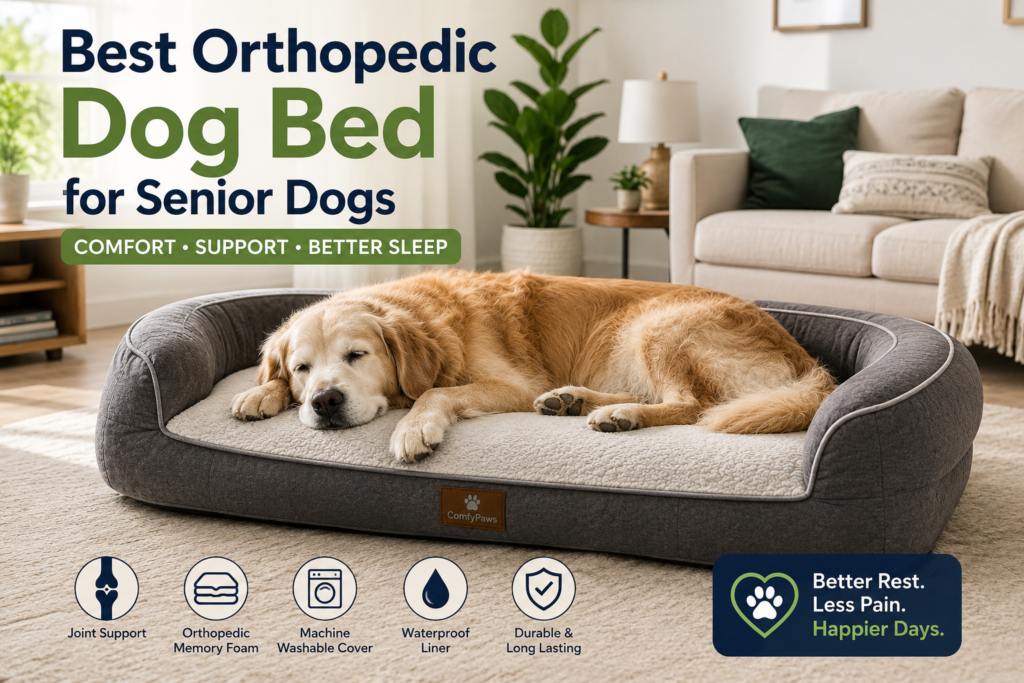
Best Dog Beds for Senior Dogs: The Complete Buyer’s Guide (2026)
Growing older is a natural part of every dog’s life. Just like people, senior dogs often experience stiff joints, arthritis, reduced mobility, and longer recovery times after everyday activities. While regular veterinary care, proper nutrition, and gentle exercise all play an important role, many pet owners overlook one simple upgrade that can make a noticeable difference every day—a high-quality dog bed.
The best dog beds for senior dogs do far more than provide a soft place to sleep. A well-designed bed supports aging joints, relieves pressure points, helps maintain body temperature, and allows older dogs to get up more comfortably after resting. Better sleep often leads to improved mobility, a better mood, and a higher quality of life.
Whether your companion is a small Chihuahua, a Golden Retriever, or a large senior Labrador, choosing the right sleeping surface can significantly improve their daily comfort. This guide explains what features truly matter, compares different types of beds, highlights common mistakes buyers make, and helps you choose a bed that fits your dog’s individual needs.
Why Choosing the Right “Dog Bed” Matters
Many owners continue using the same bed their dog slept on as a puppy or young adult. Unfortunately, older dogs have different physical needs.
As dogs age, cartilage naturally wears down, muscles lose strength, and joints become less flexible. Sleeping on a thin cushion or hard floor may increase stiffness and discomfort.
A supportive dog bed can help by:
- Reducing pressure on hips, elbows, shoulders, and knees
- Supporting the spine while sleeping
- Improving circulation during long naps
- Helping dogs stand more easily
- Creating a comfortable place for longer periods of rest
Senior dogs typically sleep between 14 and 18 hours each day. Since they spend so much time resting, investing in the right bed can have a meaningful impact on their overall well-being.
What Makes a Great Dog Bed for Senior Dogs?
Not every dog bed is designed with aging pets in mind. While attractive designs may catch your attention, the internal construction determines whether a bed truly supports an older dog.
Orthopedic Support
An orthopedic dog bed for senior dogs is designed to distribute body weight evenly across the mattress.
Instead of allowing heavier joints to sink into one spot, orthopedic beds reduce pressure by supporting the entire body. This makes them especially beneficial for dogs with arthritis, hip dysplasia, elbow problems, or reduced mobility.
High-density orthopedic foam generally provides better long-term support than standard polyester stuffing.
Memory Foam Comfort
One of the most popular choices today is a memory foam dog bed for senior dogs.
Memory foam molds gently to the dog’s body before returning to its original shape after use. This helps relieve pressure points while keeping the spine aligned.
Quality memory foam also lasts much longer than ordinary cushion filling because it resists flattening over time.
Memory foam is particularly helpful for:
- Dogs with arthritis
- Dogs recovering from surgery
- Large breeds
- Dogs experiencing hip discomfort
- Pets with reduced mobility
Easy Entry Design
Many older dogs struggle to climb onto thick or elevated beds.
Look for beds with:
- Low front edges
- Easy step-in access
- Stable non-slip base
- Firm edge support
These features reduce strain when your dog lies down or stands up.
Washable Covers
Senior dogs occasionally experience accidents due to age-related health conditions.
A senior dog bed with washable cover makes cleaning simple while helping maintain hygiene and reduce odors.
Machine-washable covers also remove fur, dirt, and allergens more effectively than spot cleaning.
Waterproof Protection
Waterproof liners help protect expensive orthopedic foam from moisture.
This feature is especially useful for:
- Senior dogs with bladder issues
- Dogs recovering after surgery
- Puppies sharing the same bed
- Homes in humid climates
A waterproof inner liner can greatly extend the life of the bed.
Different Types of Dog Beds
Choosing the right style depends on your dog’s sleeping habits, health condition, and breed.

Orthopedic Beds
These are the most recommended option for aging dogs.
Best for
- Arthritis
- Hip dysplasia
- Large breeds
- Joint pain
- Daily long-term use
Advantages include:
- Excellent support
- Pressure relief
- Long lifespan
- Better weight distribution
Pillow Beds
Pillow beds use soft filling instead of supportive foam.
They work well for healthy adult dogs but often compress under heavier senior dogs.
These beds may be suitable for:
- Small breeds
- Dogs without joint problems
- Occasional travel
However, they usually provide less support than orthopedic options.
Bolster Beds
Bolster beds include raised edges around one or more sides.
Many senior dogs enjoy resting their heads against these cushioned sides, creating a sense of security.
They are especially popular among dogs that curl up while sleeping.
Cooling Beds
Older dogs often become more sensitive to heat.
A cooling bed uses breathable fabrics, cooling gel layers, or elevated mesh construction to improve airflow.
Cooling beds work particularly well during summer months or in warmer regions of the United States.
Heated Beds
Cold temperatures can worsen joint stiffness.
Heated beds help maintain warmth around sore muscles and joints, making them an excellent seasonal option for winter.
Always choose models with built-in safety features and automatic temperature regulation.
Comparison Table
| Feature | Standard Dog Bed | Orthopedic Dog Bed | Memory Foam Dog Bed | Best Choice |
| Joint Support | Basic | Excellent | Excellent | Orthopedic + Memory Foam |
| Pressure Relief | Low | High | Very High | Memory Foam |
| Arthritis Comfort | Fair | Excellent | Excellent | Memory Foam |
| Durability | Medium | High | High | Orthopedic |
| Weight Support | Medium | Excellent | Excellent | Orthopedic |
| Large Breed Suitability | Fair | Excellent | Excellent | Orthopedic |
| Long-Term Value | Moderate | High | High | Orthopedic Memory Foam |
Is an Orthopedic Bed Worth the Extra Cost?
Many owners wonder whether paying more for an orthopedic bed actually makes a difference.
For young, healthy dogs, a standard bed may provide adequate comfort. However, aging dogs place more stress on their joints every time they stand, lie down, or change sleeping positions.
An orthopedic bed is not simply a luxury—it is designed to support the body in ways ordinary cushions cannot. Better pressure distribution may help reduce stiffness after naps, improve overall comfort, and encourage deeper, more restful sleep.
For dogs with arthritis or mobility challenges, the added support can make everyday life noticeably easier.
In the next section, we’ll cover how to choose the right bed based on your dog’s size, sleeping style, budget, and health needs, along with practical buying tips and common mistakes to avoid.
Complete Buying Guide: How to Choose the Best Dog Bed for Senior Dogs
Every senior dog has unique needs. A bed that works perfectly for one dog may not be the best choice for another. Before buying, consider your dog’s age, size, health condition, and sleeping habits.
1. Consider Your Dog’s Age and Health
Older dogs often experience:
- Arthritis
- Hip dysplasia
- Elbow pain
- Reduced muscle strength
- Difficulty standing after long naps
If your dog has any of these conditions, prioritize a joint support dog bed with orthopedic or memory foam construction rather than a standard cushion.
2. Choose the Right Size
One of the biggest mistakes pet owners make is buying a bed that’s too small.
Your dog should be able to:
- Stretch out fully
- Turn around comfortably
- Change sleeping positions easily
- Rest without hanging over the edges
Use your dog’s length (nose to tail base) and add 6–12 inches when selecting a bed.
General Size Guide
| Dog Size | Recommended Bed Size |
| Small (up to 25 lbs) | 24–30 inches |
| Medium (25–50 lbs) | 30–36 inches |
| Large (50–90 lbs) | 36–42 inches |
| Extra Large (90+ lbs) | 42–54 inches |
For giant breeds, an extra large dog bed with thick orthopedic foam offers the best long-term comfort.
3. Match the Bed to Sleeping Style
How your dog sleeps can influence the ideal bed design.
Dogs That Stretch Out
Choose:
- Flat orthopedic beds
- Large foam mattresses
- Cooling beds
These provide maximum surface area.
Dogs That Curl Up
Look for:
- Bolster beds
- Donut-style beds
- Beds with raised edges
These create a secure, cozy sleeping space.
Dogs That Lean Against Objects
Raised bolsters allow dogs to rest their heads naturally while supporting the neck.
4. Pick the Right Foam Thickness
Foam thickness matters just as much as foam quality.
A thin bed may feel comfortable initially but flatten quickly under heavier dogs.
As a general rule:
- Small dogs: 2–3 inches
- Medium dogs: 3–4 inches
- Large dogs: 4–6 inches
- Giant breeds: 6 inches or more
Heavier dogs benefit most from thicker orthopedic foam that resists compression.
5. Choose Durable Materials
A durable dog bed saves money over time because it keeps its shape longer.
Look for:
- Heavy-duty stitching
- High-density foam
- Tear-resistant fabric
- Reinforced zippers
- Scratch-resistant covers
Quality materials help the bed withstand daily use, especially if your dog circles before lying down.
6. Look for Easy Maintenance
Senior dogs may shed more or occasionally have accidents.
A bed with these features is easier to maintain:
- Removable cover
- Machine-washable fabric
- Waterproof inner liner
- Odor-resistant materials
- Quick-drying cover
Keeping the bed clean also reduces allergens and helps create a healthier sleeping environment.
7. Think About Climate
Where you live also matters.
Warm States
If you live in places like Arizona, Florida, Texas, or Nevada, breathable materials and cooling gel layers can help prevent overheating.
A cooling bed may be the better option for dogs that naturally run warm.
Cold States
In colder regions such as Minnesota, Wisconsin, or Maine, thicker foam combined with insulating fabrics can help aging joints stay comfortable.
A heated bed may also benefit dogs with arthritis during the winter months.
Who Should Buy an Orthopedic Dog Bed?
An orthopedic bed isn’t just for elderly dogs.
It’s also a smart investment for:
- Dogs over seven years old
- Large breeds
- Giant breeds
- Dogs recovering from surgery
- Dogs with arthritis
- Dogs with hip dysplasia
- Dogs with elbow problems
- Dogs with spinal issues
- Overweight dogs
Providing proper support early may help improve comfort as dogs continue to age.
Benefits of the Best “Dog Beds” for Senior Dogs
A quality bed offers more than a comfortable place to sleep.

Better Joint Support
Orthopedic foam distributes body weight evenly, reducing pressure on painful joints.
Improved Sleep Quality
When dogs are comfortable, they tend to sleep more deeply and wake up feeling less stiff.
Easier Movement
Supportive foam makes standing up easier after long naps.
This can be especially helpful for dogs with arthritis or muscle weakness.
Reduced Pressure Points
Older dogs often develop sore spots around:
- Hips
- Elbows
- Shoulders
- Knees
Pressure relief foam cushions these sensitive areas.
Longer Product Life
A well-made best orthopedic dog bed often lasts several years, making it a better long-term investment than replacing inexpensive beds every year.
Cleaner Home
Beds with removable covers are easier to wash, helping reduce:
- Fur
- Dirt
- Pet odors
- Dust
- Allergens
Things to Consider Before Buying
No dog bed is perfect for every situation.
Keep these points in mind.
Orthopedic Beds Cost More
Premium foam increases the purchase price.
However, higher-quality beds usually last much longer than budget alternatives.
Some Beds Are Heavy
Large orthopedic beds can weigh significantly more than standard beds.
If you frequently travel with your dog, consider purchasing a lightweight travel bed in addition to a home bed.
Memory Foam Can Retain Heat
Traditional memory foam may trap warmth.
If your dog overheats easily, look for cooling gel-infused foam or breathable designs.
Cheap Foam Breaks Down Faster
Not all “orthopedic” beds offer true orthopedic support.
Some inexpensive products use thin foam that compresses after only a few months.
Reading product specifications carefully can help you avoid disappointing purchases.
Expert Tips for Choosing the Right Bed
Experienced pet owners and veterinarians often recommend these practical tips.
Measure Before Buying
Never estimate your dog’s size.
Measure from the nose to the base of the tail while your dog is standing naturally.
Observe Sleeping Habits
Watch how your dog sleeps for a few days.
Their preferred sleeping position often reveals which style of bed they’ll enjoy most.
Replace Flattened Beds
If the foam stays compressed after your dog gets up, it’s time for a replacement.
Flattened beds no longer provide adequate joint support.
Rotate the Bed
Turning the mattress every few weeks can help maintain even wear and extend its lifespan.
Keep It in a Quiet Area
Place the bed away from busy walkways, loud televisions, or frequently opening doors.
Older dogs appreciate a calm, consistent place to rest.
Common Mistakes Pet Owners Make
Avoiding these mistakes can help you choose a bed your dog will actually use.
Buying Based Only on Price
The cheapest option may seem appealing, but poor-quality foam often loses its support quickly.
Ignoring Weight Capacity
A bed designed for a small dog won’t adequately support a large Labrador or German Shepherd.
Always check the manufacturer’s recommended weight range.
Choosing Style Over Comfort
Decorative beds may look attractive, but comfort should always come first for an aging dog.
Forgetting Washability
Without a removable cover, regular cleaning becomes much more difficult.
Easy maintenance helps keep both your dog and your home cleaner.
Waiting Too Long
Many owners wait until their dog is already struggling to move before upgrading.
Introducing a supportive bed earlier can help provide comfort before mobility becomes a significant concern.
Frequently Asked Questions
1. What is the best type of “dog beds” for senior dogs?
An orthopedic dog bed made with high-density memory foam is one of the best choices for senior dogs. It provides consistent support, reduces pressure on aging joints, and helps improve comfort during long periods of rest.
2. Are orthopedic “dog beds” worth the extra cost?
Yes. While orthopedic beds typically cost more than standard beds, they often last longer and provide significantly better support. For dogs with arthritis, hip dysplasia, or mobility issues, the added comfort can make a noticeable difference in their daily routine.
3. Is memory foam safe for older dogs?
Absolutely. A quality memory foam dog bed for senior dogs conforms to your dog’s body, helping distribute weight evenly and reduce pressure on sensitive areas. Look for high-density foam that maintains its shape over time.
4. How thick should a senior dog bed be?
Thickness depends on your dog’s size.
- Small breeds: 2–3 inches
- Medium breeds: 3–4 inches
- Large breeds: 4–6 inches
- Giant breeds: 6 inches or more
Larger dogs generally benefit from thicker foam to prevent the bed from compressing under their weight.
5. Should senior dogs sleep on the floor?
Hard floors can increase pressure on joints and may worsen stiffness, especially in dogs with arthritis. A supportive bed provides cushioning, insulation, and improved comfort for daily rest.
6. How often should I replace my dog’s bed?
A well-made orthopedic bed can last several years. Replace the bed if the foam no longer rebounds, the cover is heavily worn, or your dog seems uncomfortable while resting.
7. What features are most important in a dog bed for arthritic dogs?
Look for:
- Orthopedic or memory foam construction
- Thick, supportive cushioning
- Non-slip bottom
- Waterproof liner
- Machine-washable cover
- Durable stitching
- Low-entry design
These features help create a more comfortable sleeping environment for dogs with joint pain.
8. Are heated dog beds good for senior dogs?
Heated beds can be helpful during colder months, especially for dogs with arthritis or muscle stiffness. Choose products with built-in safety features and automatic temperature control.
9. Can a large dog use a regular dog bed?
Large breeds place more weight on the sleeping surface. A standard bed may flatten quickly, reducing support. A large orthopedic dog bed is generally a better choice because it distributes weight more evenly.
10. What is the easiest dog bed to keep clean?
A senior dog bed with washable cover and waterproof inner liner is usually the easiest option. Removable covers can be machine washed, helping reduce odors, fur, and allergens.
Final Verdict
Choosing the best dog beds for senior dogs is about more than comfort—it’s about supporting your dog’s health, mobility, and quality of life as they age.
A well-designed orthopedic bed can reduce pressure on joints, encourage better sleep, and make everyday movements easier. Features like memory foam, washable covers, waterproof liners, and durable construction provide long-term value for both pets and their owners.
Before making a purchase, take time to consider your dog’s size, sleeping style, health condition, and the climate where you live. While no single bed is perfect for every dog, selecting one that matches your companion’s specific needs can make a meaningful difference in their daily comfort.
An investment in a supportive bed today may help your loyal companion enjoy many more restful nights and active days.
Explore Comfortable Dog Beds at Al Falah Trader
At Al Falah Trader, we carefully select pet products designed with comfort, quality, and everyday practicality in mind.
Whether you’re searching for:
- “Orthopedic dog beds”
- “Memory foam pet beds”
- “Waterproof dog beds”
- “Large dog beds”
- “Cozy winter beds”
- “Cooling summer beds”
our goal is to help you find products that keep your four-legged family members comfortable throughout every stage of life.
Browse our growing collection of pet essentials to discover products that combine durability, comfort, and value.
Related Articles
If you found this guide helpful, you may also enjoy:
- 🐶 Best Orthopedic Dog Beds – Learn how orthopedic beds reduce pressure on joints and improve sleep quality for dogs of all ages.
Recommended Authoritative References
For readers who want to learn more about senior dog health and mobility, these organizations provide trustworthy educational resources:
- American Veterinary Medical Association (AVMA) – Information on aging pets, preventive care, and overall wellness.
Key Takeaways
- Senior dogs benefit from beds that reduce pressure on aging joints.
- Orthopedic and memory foam beds provide superior support compared to traditional cushion-filled beds.
- The right bed size, thickness, and sleeping style all play a role in comfort.
- Washable covers and waterproof liners improve hygiene and extend the life of the bed.
- Investing in a durable, supportive bed can contribute to better sleep, easier movement, and improved quality of life for your dog.
By focusing on your dog’s individual needs rather than simply choosing the least expensive option, you’ll be better equipped to select a bed that offers lasting comfort and dependable support for years to come.
Read More Pet Care Tips/Articles from Al Falah Trader
If you found this guide helpful, you might also enjoy these Blogs/articles:
Best Dog Beds for Senior Dogs: Comfort, Support and Buying Guide (2026)
Best Cooling Dog Beds for Summer: Stay Cool & Comfortable
Best Dog Beds for Anxiety: Comfort That Helps Dogs Feel Safe (2026)
Best Heated Dog Beds for Winter: Keep Your Dog Warm & Comfortable
Best Memory Foam Dog Beds: Comfort, Support & Buying Guide
Recommended Products
Memory Foam Dog Beds for Maximum Comfort & Support – Shop Now
Best Heated Dog Beds for Winter – Shop Now
Plush Calming Dog Bed – Soft Pet Nest Bed for Dogs & Cats – Shop Now
Princess Dog Bed – Cozy Fantasy Pet Nest Bed for Dogs & Cats – Shop Now
Authoritative External Resources
For readers who want to learn more about canine health and behavior, consider linking to: