
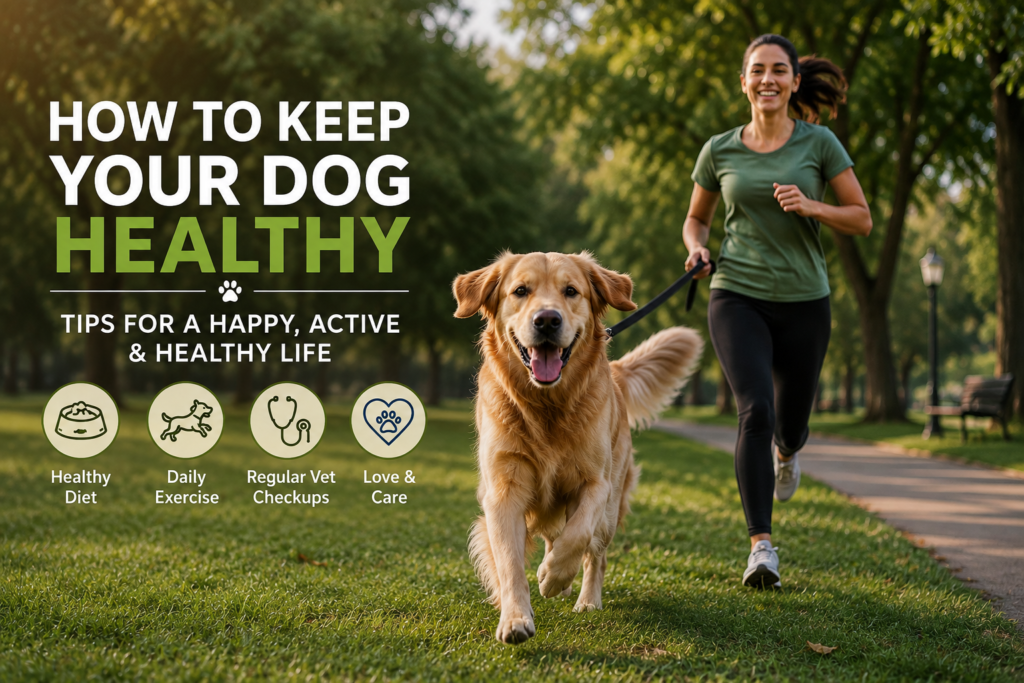
How to Keep Your Dog Healthy: The Complete Guide for Happy, Active Dogs
A healthy dog is more than just a happy companion—it’s a family member who relies on you for proper care, nutrition, exercise, and protection. Whether you’ve recently welcomed a new puppy into your home or you’ve been caring for dogs for years, understanding how to keep your dog healthy can help them live a longer, more active, and more enjoyable life.
Many pet owners focus on food alone, but true canine wellness involves several important factors working together. A healthy dog lifestyle includes balanced nutrition, regular physical activity, mental stimulation, preventive healthcare, proper grooming, and a safe environment.
In this complete guide, you’ll discover practical dog health tips, learn how to create a daily dog care routine, and understand the best ways to keep your dog healthy throughout every stage of life.
Why Dog Health Matters
Dogs cannot tell us when something feels wrong. Small health problems often develop gradually and may go unnoticed until they become serious.
Maintaining your dog’s health offers several benefits:
- Longer lifespan
- Lower veterinary expenses
- Better mobility and joint health
- Improved behavior
- Stronger immune system
- Higher energy levels
- Better quality of life
A proactive approach to dog wellness is often easier and less expensive than treating preventable illnesses later.
Feed Your Dog a Healthy Diet
Why Nutrition Is the Foundation of Good Health
One of the most important answers to the question of how to keep your dog healthy is proper nutrition.
Just like humans, dogs need balanced nutrients to support:
- Muscle development
- Organ function
- Immune health
- Bone strength
- Skin and coat condition
- Energy production
Key Components of a Healthy Diet for Dogs
A high-quality dog food should include:
| Nutrient | Purpose |
| Protein | Builds muscles and repairs tissues |
| Healthy Fats | Supports skin, coat, and brain function |
| Carbohydrates | Provides energy |
| Vitamins | Supports immune function |
| Minerals | Maintains bone and organ health |
| Water | Essential for every bodily process |
Dog Nutrition Tips
- Choose food appropriate for your dog’s age and size.
- Follow feeding guidelines carefully.
- Avoid overfeeding.
- Provide fresh water at all times.
- Limit table scraps and unhealthy treats.
Best Food to Keep Your Dog Healthy
Look for foods containing:
- Real meat as the first ingredient
- Natural ingredients
- Balanced nutrient profiles
- No unnecessary fillers
Consult your veterinarian if your dog has allergies, digestive sensitivities, or special dietary requirements.
Ensure Daily Exercise and Mental Stimulation
Why Exercise Is Essential
Exercise for dogs helps maintain a healthy weight while supporting physical and mental wellness.
Benefits include:
- Stronger muscles
- Better cardiovascular health
- Reduced anxiety
- Improved behavior
- Joint support
- Weight management
How Much Exercise Does a Dog Need Daily?
The answer depends on breed, age, and health condition.
| Dog Type | Recommended Daily Exercise |
| Small Breeds | 30–60 minutes |
| Medium Breeds | 60–90 minutes |
| Large Breeds | 60–120 minutes |
| High-Energy Working Dogs | 90–180 minutes |
Mental Stimulation Matters Too
Dogs need brain exercise just as much as physical activity.
Try:
- Puzzle toys
- Training sessions
- Scent games
- Interactive feeders
- Hide-and-seek activities
Mental enrichment helps prevent boredom and destructive behaviors.
Create a Consistent Daily Dog Care Routine
A structured daily dog care routine helps dogs feel secure and supports long-term health.
Sample Daily Routine
Morning
- Fresh water
- Breakfast
- Walk
- Bathroom break
Afternoon
- Play session
- Mental enrichment
- Water check
Evening
- Dinner
- Walk or exercise
- Grooming check
- Relaxation time
Consistency improves behavior and reduces stress.
Schedule Regular Vet Checkups
Why Preventive Care Matters
Regular vet checkups for dogs can identify problems before they become serious.
Annual wellness exams often include:
- Physical examination
- Weight assessment
- Dental evaluation
- Parasite screening
- Vaccination review
Recommended Veterinary Visits
| Life Stage | Vet Visits |
| Puppies | Every few weeks |
| Adult Dogs | Annually |
| Senior Dogs | Every 6 months |
Preventive dog healthcare often saves money and helps avoid major medical complications.
Keep Up With Vaccinations and Parasite Prevention
Vaccinations Protect Against Serious Diseases
A proper vaccination schedule for dogs helps prevent potentially life-threatening illnesses.
Common vaccines may protect against:
- Rabies
- Distemper
- Parvovirus
- Adenovirus
- Bordetella
Always follow your veterinarian’s recommendations based on local regulations and risk factors.
Parasite Prevention
Dogs can be affected by:
- Fleas
- Ticks
- Heartworms
- Intestinal worms
Monthly prevention programs are often the easiest way to reduce these risks.
Maintain Proper Grooming and Hygiene
Dog Grooming Tips for Better Health
Grooming is about more than appearance.
Regular grooming helps detect:
- Skin infections
- Lumps and bumps
- Parasites
- Ear problems
Essential Grooming Tasks
Brushing
Brushing removes loose hair and distributes natural oils.
Nail Trimming
Overgrown nails can affect posture and mobility.
Ear Cleaning
Check ears regularly for redness, odor, or discharge.
Dental Care
Poor oral hygiene can contribute to serious health issues.
Aim to:
- Brush teeth regularly
- Use dental chews
- Schedule professional cleanings when needed
Watch for Signs of Health Problems
Signs of a Healthy Dog
A healthy dog typically has:
- Bright eyes
- Clean ears
- Healthy skin
- Shiny coat
- Good appetite
- Normal energy levels
- Healthy weight
Warning Signs That Need Attention
Contact your veterinarian if you notice:
- Sudden weight loss
- Persistent vomiting
- Diarrhea
- Excessive thirst
- Difficulty walking
- Breathing problems
- Unusual lethargy
Early intervention often leads to better outcomes.
Create a Safe and Stress-Free Environment
Why Emotional Health Matters
Stress can negatively affect a dog’s physical health.
Common stress triggers include:
- Loud noises
- Isolation
- Inconsistent routines
- Lack of exercise
- Sudden environmental changes
Ways to Support Emotional Wellness
- Maintain routines
- Provide a comfortable sleeping area
- Offer positive reinforcement
- Avoid harsh punishment
- Encourage socialization
A calm environment supports a healthy dog lifestyle.
How to Keep Your Dog Healthy Naturally
Many owners look for natural ways to improve their dog’s health.
Healthy habits include:
- Fresh water daily
- Nutritious food
- Adequate exercise
- Proper sleep
- Routine grooming
- Mental stimulation
- Preventive veterinary care
Natural care should complement—not replace—professional veterinary advice.
Benefits of Maintaining Good Dog Health
For Your Dog
- Longer life expectancy
- Better mobility
- Increased happiness
- Improved immune function
- Better quality of life
For Owners
- Lower healthcare costs
- Fewer emergency visits
- Easier behavior management
- Stronger bond with your pet
Drawbacks and Things to Consider
Keeping a dog healthy requires commitment.
Potential challenges include:
- Ongoing food costs
- Veterinary expenses
- Time required for exercise
- Grooming responsibilities
- Training consistency
However, these investments often prevent larger health and behavioral problems later.
Dog Health Products Buying Guide
Many products can support your dog’s wellness.
Who Should Buy Health-Related Dog Products?
- New puppy owners
- Senior dog owners
- Active breeds
- Dogs with joint issues
- Dogs needing weight management
Key Features to Consider
Comfort
Look for products that support your dog’s body properly.
Durability
Choose durable materials that withstand daily use.
Safety
Avoid products made with harmful chemicals.
Ease of Cleaning
Washable products help maintain hygiene.
Size Compatibility
Always select products appropriate for your dog’s size.
Budget Considerations
A higher upfront investment often results in better durability and comfort.
Materials
Recommended materials include:
- Memory foam
- Stainless steel
- Food-grade silicone
- Durable nylon
- Orthopedic support materials
Maintenance
Products should be easy to clean and maintain.
Warranty
A manufacturer warranty can provide added confidence when purchasing premium products.
Comparison Table: Essential Dog Wellness Categories
| Feature | Basic Care | Comprehensive Care | Best Choice |
| Nutrition | Standard feeding | Balanced nutrition plan | Comprehensive Care |
| Exercise | Occasional walks | Daily structured activity | Comprehensive Care |
| Vet Visits | Only when sick | Preventive wellness exams | Comprehensive Care |
| Grooming | Infrequent | Regular schedule | Comprehensive Care |
| Mental Stimulation | Limited | Daily enrichment | Comprehensive Care |
| Overall Health Outcome | Moderate | Excellent | Comprehensive Care |
Expert Tips for a Healthy Dog Lifestyle
- Measure food portions instead of guessing.
- Keep treats under 10% of daily calories.
- Maintain a consistent exercise schedule.
- Track weight monthly.
- Brush teeth regularly.
- Use preventive parasite treatments.
- Rotate enrichment activities.
- Schedule annual wellness exams.
- Keep vaccinations current.
- Monitor changes in behavior closely.
Common Mistakes Dog Owners Make
Overfeeding
Obesity is one of the most common preventable health issues in dogs.
Skipping Exercise
Lack of activity can lead to weight gain and behavioral problems.
Ignoring Dental Health
Poor dental care may affect overall health.
Missing Vet Visits
Regular examinations often identify hidden problems early.
Inconsistent Training
Confusing rules can increase stress and behavioral challenges.
Waiting Too Long to Address Symptoms
Small issues can become major health concerns if ignored.
Frequently Asked Questions
1. How can I keep my dog healthy and happy every day?
Provide balanced nutrition, exercise, mental stimulation, preventive healthcare, and plenty of affection.
2. What is the most important part of dog health?
Proper nutrition, regular exercise, and preventive veterinary care form the foundation of good health.
3. How much water should a dog drink daily?
Most dogs need approximately one ounce of water per pound of body weight daily, though needs vary.
4. How often should dogs visit the veterinarian?
Healthy adult dogs typically benefit from annual checkups, while seniors often need more frequent visits.
5. What are signs of a healthy dog?
Bright eyes, healthy skin, good appetite, normal energy, and a shiny coat are positive indicators.
6. Can exercise improve my dog’s health?
Yes. Regular exercise supports weight management, cardiovascular health, and mental wellness.
7. How do I improve my dog’s health naturally?
Focus on nutrition, exercise, hydration, sleep, grooming, and preventive healthcare.
8. What foods should dogs avoid?
Avoid chocolate, grapes, raisins, onions, garlic, xylitol, alcohol, and other toxic foods.
9. How often should I groom my dog?
The frequency depends on breed and coat type, but regular grooming checks should be part of every routine.
10. What is the best daily dog care routine?
A balanced routine includes meals, exercise, bathroom breaks, mental stimulation, grooming checks, and rest.
Final Verdict
Understanding how to keep your dog healthy is one of the most valuable responsibilities of pet ownership. A combination of proper nutrition, regular exercise, preventive healthcare, grooming, mental stimulation, and a safe environment creates the foundation for lifelong wellness.
Small daily habits often have the biggest impact. By following these dog health tips and building a healthy dog lifestyle, you can help your companion enjoy more happy, active years by your side.
Explore Healthy Dog Products at Al Falah Trader
Looking to support your dog’s health and comfort?
Explore Al Falah Trader’s collection of dog essentials, including orthopedic dog beds, feeding accessories, grooming products, comfort items, and other pet care solutions designed to help your furry companion live a healthier and happier life.
Start building a better daily dog care routine today with products that prioritize comfort, safety, and wellness.
Read More Pet Care Tips/Articles from Al Falah Trader
If you found this guide helpful, you might also enjoy these Blogs/articles:
Dog Care Tips for First-Time Owners: Complete Beginner Guide
Daily Dog Care Checklist: Essential Tasks for a Healthy Dog
How Much Sleep Do Dogs Need? A Complete Age-by-Age Guide
Pedigree Dog Food Recall 2026: What Every Dog Owner Should Know
Best Orthopedic Dog Beds for Comfort and Joint Support
Recommended Products
Memory Foam Dog Beds for Maximum Comfort & Support – Shop Now
Best Heated Dog Beds for Winter – Shop Now
Plush Calming Dog Bed – Soft Pet Nest Bed for Dogs & Cats – Shop Now
Princess Dog Bed – Cozy Fantasy Pet Nest Bed for Dogs & Cats – Shop Now
Dog Potty Training in 7 Days – E-books
Authoritative External Resources
For readers who want to learn more about canine health and behavior, consider linking to: